Craps Through the Decades: Key Milestones That Shaped Today's Online Variants
Written by Leon Vogel · Sep 1, 2026
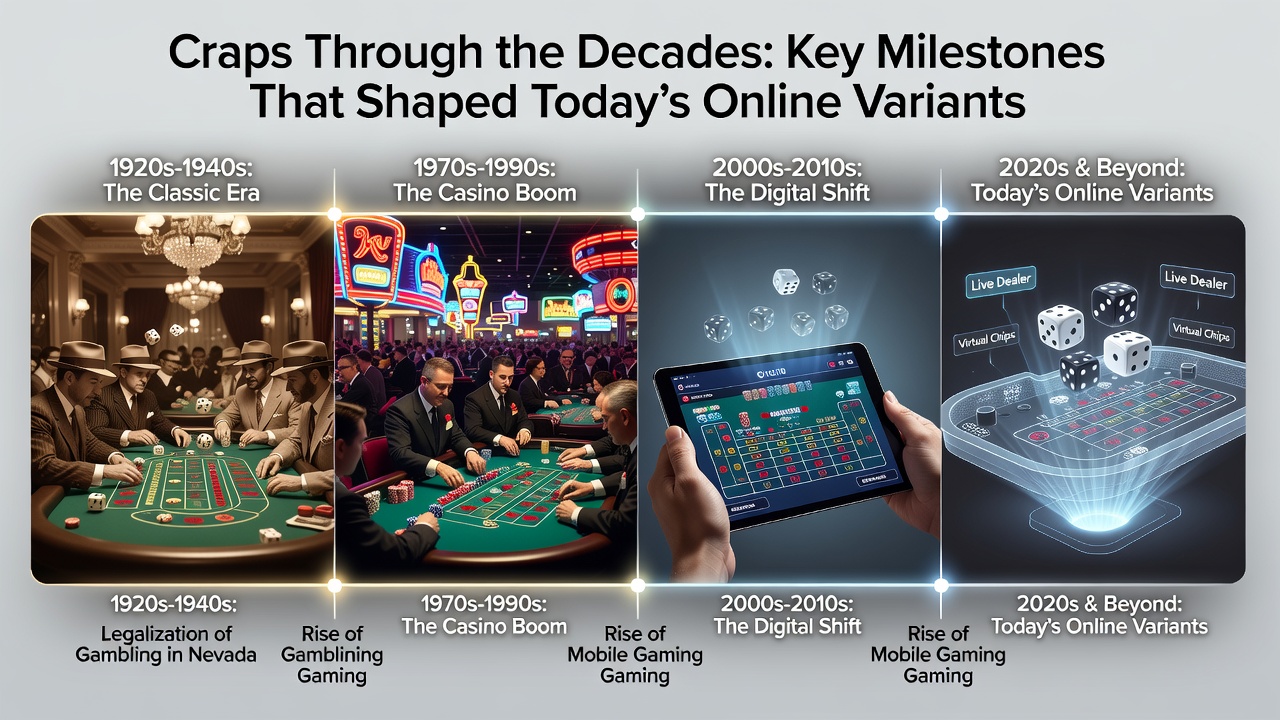
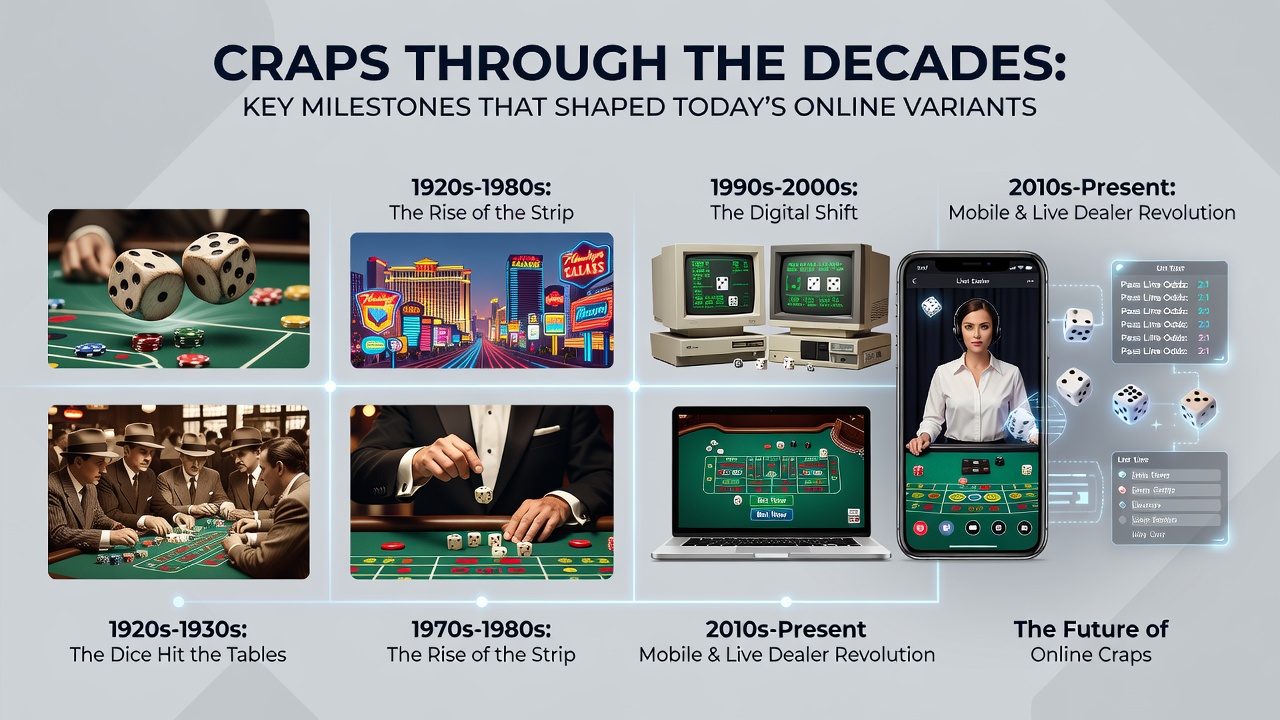
Craps Through the Decades: Key Milestones That Shaped Today's Online Variants
Observers trace the roots of craps back through centuries of dice-based games that evolved across continents before settling into the structured rules familiar in contemporary play, and data from gaming historians shows how early variants in 19th-century America laid foundations through riverboat gambling that later influenced land-based casino standards. Those who've studied the transition note that formal craps rules crystallized around the 1820s when simplified hazard games gained traction among American players, while figures from that era reveal consistent use of two dice and specific point-betting mechanics that persist today.
From Riverboats to Regulated Casinos
By the early 1900s, craps had moved inland as operators standardized betting options like pass lines and come bets, and records indicate this period saw widespread adoption in New Orleans and other port cities where the game attracted both casual and serious participants. Researchers have documented how the 1931 legalization of casinos in Nevada accelerated craps growth, with Las Vegas properties integrating the game into main floors by the late 1930s, while statistics from that decade show table counts rising steadily alongside tourism data. Those who followed the expansion point out that Atlantic City casinos in 1978 further diversified craps offerings, introducing variations that catered to regional preferences and set precedents for multi-table layouts still used in many venues.
Digital Entry Points in the 1990s
The arrival of internet-based platforms in the mid-1990s marked the first major shift toward online craps, and evidence from industry timelines confirms that early software providers launched basic versions of the game as part of broader casino sites around 1996. Data indicates these initial iterations relied on random number generators to simulate dice rolls, though limited bandwidth often restricted features to simple bet placements without live interaction. Experts have observed that regulatory frameworks in places like Antigua and Barbuda provided early licensing structures that allowed these platforms to operate, whereas later developments in North American jurisdictions built upon those models with stricter oversight requirements.
Live Dealer and Mobile Advancements
Live dealer technology emerged in the early 2000s and transformed online craps by streaming real tables to remote players, while reports from that period document how companies integrated video feeds with digital interfaces to replicate physical casino atmospheres. Those who've examined adoption rates note that smartphone compatibility arrived around 2008, enabling apps that supported craps play on portable devices, and figures reveal a sharp increase in session lengths once touch-screen controls became standard. In September 2026, updates from multiple state regulators showed continued integration of these mobile features across expanding markets, with data highlighting seamless transitions between desktop and handheld formats.
What's interesting is how regulatory changes after 2018 in states such as Pennsylvania adn Michigan opened additional avenues for licensed online craps, and information from the Nevada Gaming Control Board details how these expansions required certified RNG systems alongside player verification protocols. Observers note that similar patterns appeared in Canadian provinces where provincial bodies established frameworks that prioritized secure transaction methods and responsible gaming tools.
Recent Innovations and Global Reach
Virtual reality testing for craps environments began gaining traction in the 2020s, and studies from research institutions indicate these prototypes allow users to navigate digital tables with spatial controls that mimic physical movement. Data from industry associations shows that integration of AI for personalized bet suggestions appeared shortly afterward, though operators maintain that core rules remain unchanged across variants. Those who track international developments point to Australian regulatory reports that emphasize fair play standards in online formats, whereas European frameworks outside the UK have focused on cross-border licensing agreements that support consistent player protections.
Evidence suggests that the combination of these milestones has produced today's online craps options, which often feature hybrid models blending RNG and live elements, and statistics compiled by academic sources demonstrate measurable growth in participation rates within regulated digital spaces. Researchers discovered that accessibility improvements, such as instant-play browsers and multi-language support, further broadened the player base without altering fundamental probability structures that define the game.
Conclusion
Key developments across decades illustrate how craps adapted from physical origins to digital platforms through incremental technological and regulatory steps, and information from diverse sources confirms that these changes preserved core mechanics while expanding access. Those who've followed the trajectory recognize that ongoing refinements in security, mobility, and interface design continue to shape variants available in September 2026 and beyond.